

Many product frustrations are memory problems in disguise. A user has to remember the last screen they visited, the status of a request, which version of a document is current, what a colleague changed or why a number no longer matches. The product may have the information, but it makes the user carry the thread.
That is expensive. It slows decisions, increases errors and encourages people to keep parallel notes, spreadsheets and email trails just to feel safe.
Recognition beats recall
One of Nielsen Norman Group’s usability heuristics is recognition rather than recall. In plain language, do not make people remember information that the interface could show them at the moment they need it.
This matters even more in B2B products. A person may return to a workflow after a meeting, an interruption or several days away. They should be able to see the current state, the key context and the next sensible action without replaying the entire process in their head.
Keep the work connected
Related records should feel related. A quote should not lose its connection to the request that created it. A booking should not hide the commercial assumptions that shaped it. An invoice should not leave the user guessing which record it belongs to.
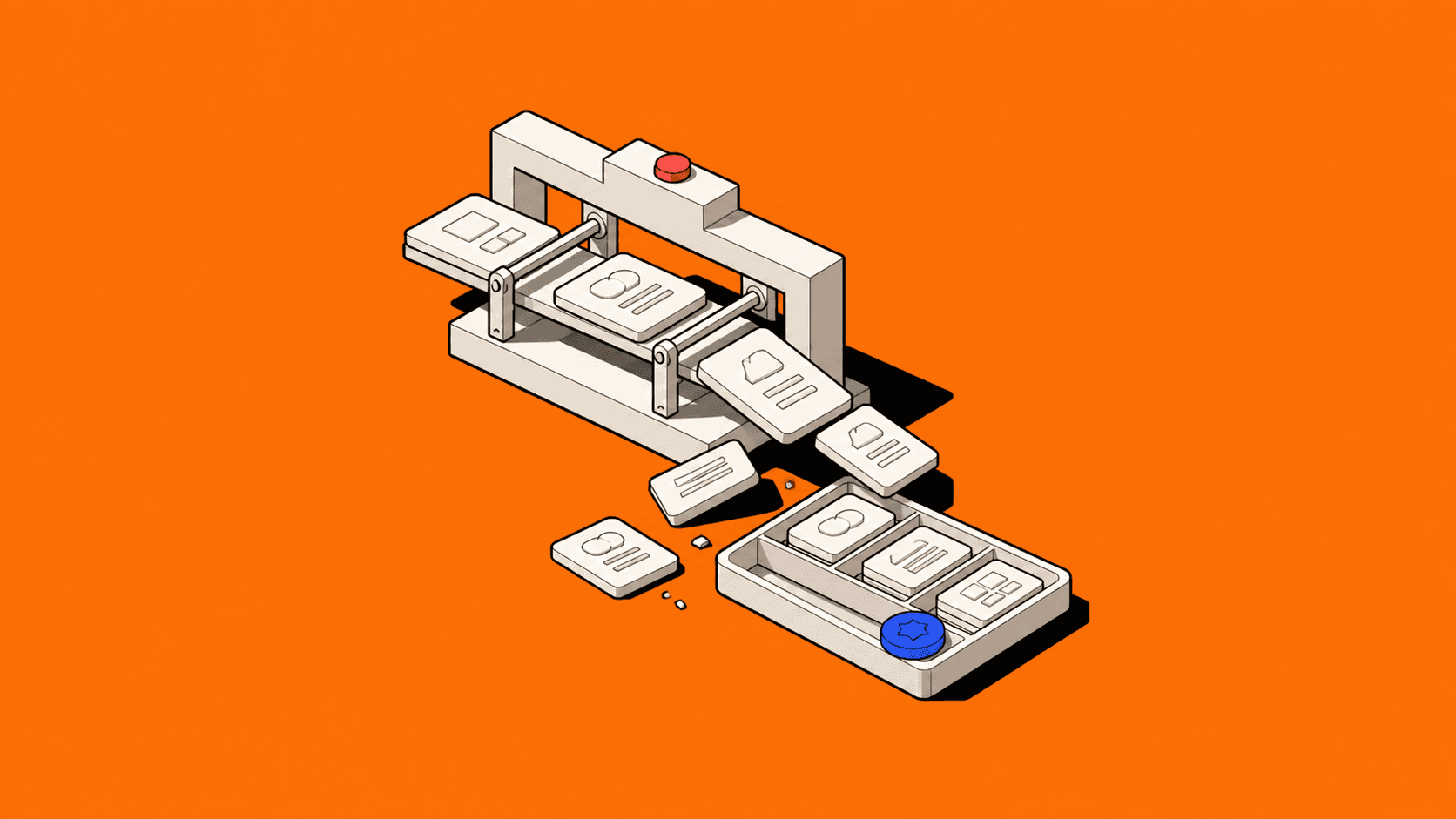
In my Aerios marketplace work, this was a central design problem. Users were managing a commercial lifecycle, not browsing separate database objects. The more the product preserved the thread between requests, quotes, bookings, documents and invoices, the less context users had to rebuild for themselves.
Design for the return visit
Good products are not only easy to use in a guided demo. They are easy to re-enter. A useful return state answers three questions quickly: what is happening now, what changed since I was last here, and what should I do next?
That might mean a clear status, a compact activity history, a visible owner, an exception summary or a direct link to the related record. It does not mean showing every piece of history at once. History is important, but the current decision deserves the most visual weight.
Context is a form of product quality
When users have to reconstruct context manually, the system is handing work back to them. When the product keeps the relevant information connected and visible, it reduces cognitive load without hiding the evidence needed for a confident decision.
The result is not just a cleaner interface. It is a product that feels dependable because it remembers the work, even when the user has had to think about something else.

