
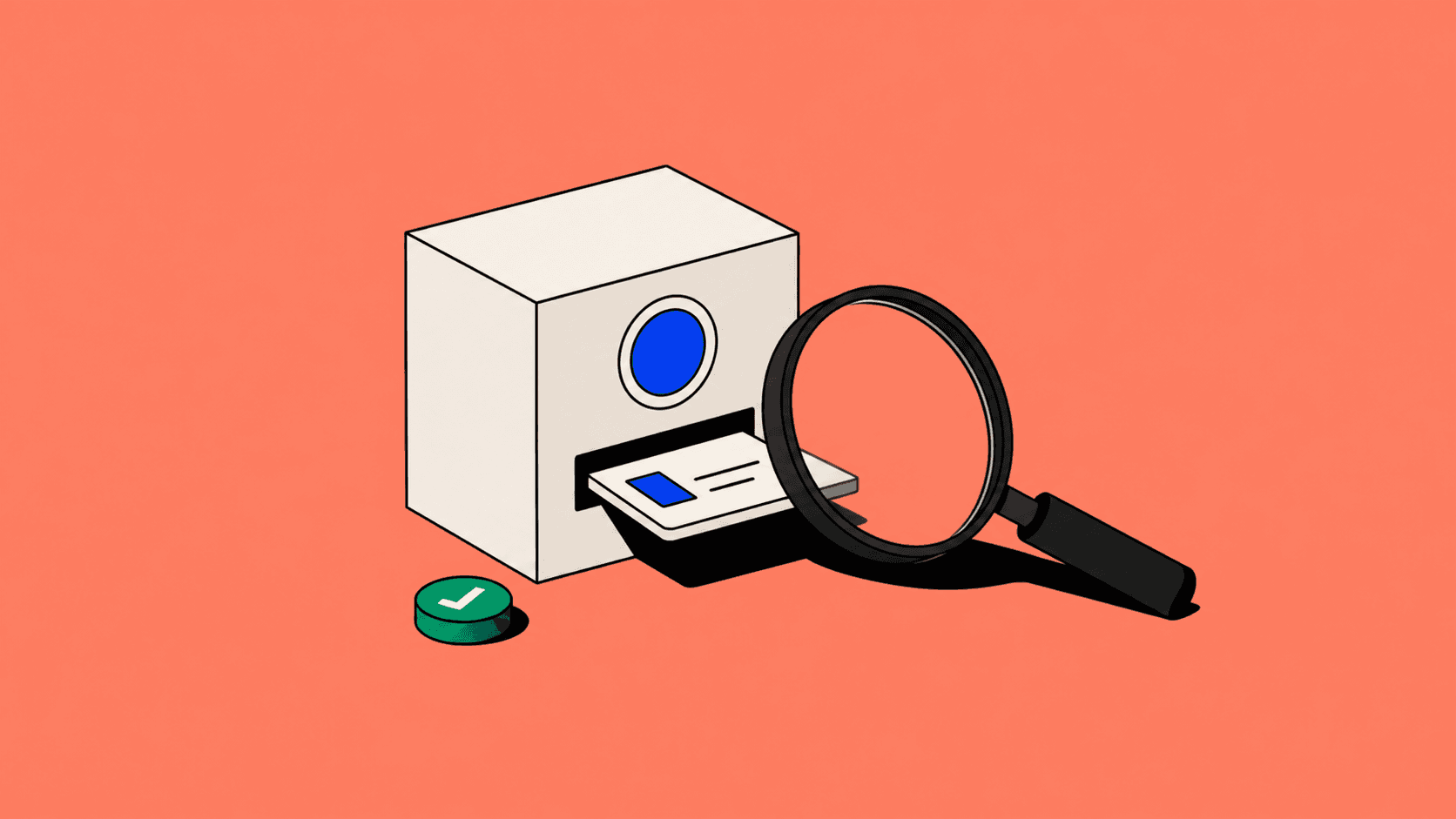
AI can make a product feel impressively capable in a demo. Trust is what makes it useful on an ordinary Tuesday, when the user has a real decision to make and little patience for a confident mistake.
Trust does not come from adding a sparkle icon beside a button. It comes from helping people understand what the system did, what it is unsure about and what they can do next.
Show the source of the suggestion
When an AI system extracts a field, recommends an action or summarises a document, the user needs enough context to judge it. A value with no explanation can feel like magic until it is wrong. Then it feels like a liability.
The NIST AI Risk Management Framework emphasises that trustworthy AI needs to be governed and evaluated in context. In product terms, that means showing the relevant evidence, not exposing a page of model diagnostics. If an invoice amount was extracted from a document, make the source and the confidence clear. If a recommendation was based on specific inputs, let the user inspect those inputs.
Make uncertainty useful
Uncertainty is not a failure state. Pretending uncertainty does not exist is. A system can say that it needs confirmation, show the fields it could not interpret, or ask one focused question before continuing. That is usually more helpful than a polished answer with hidden guesswork.
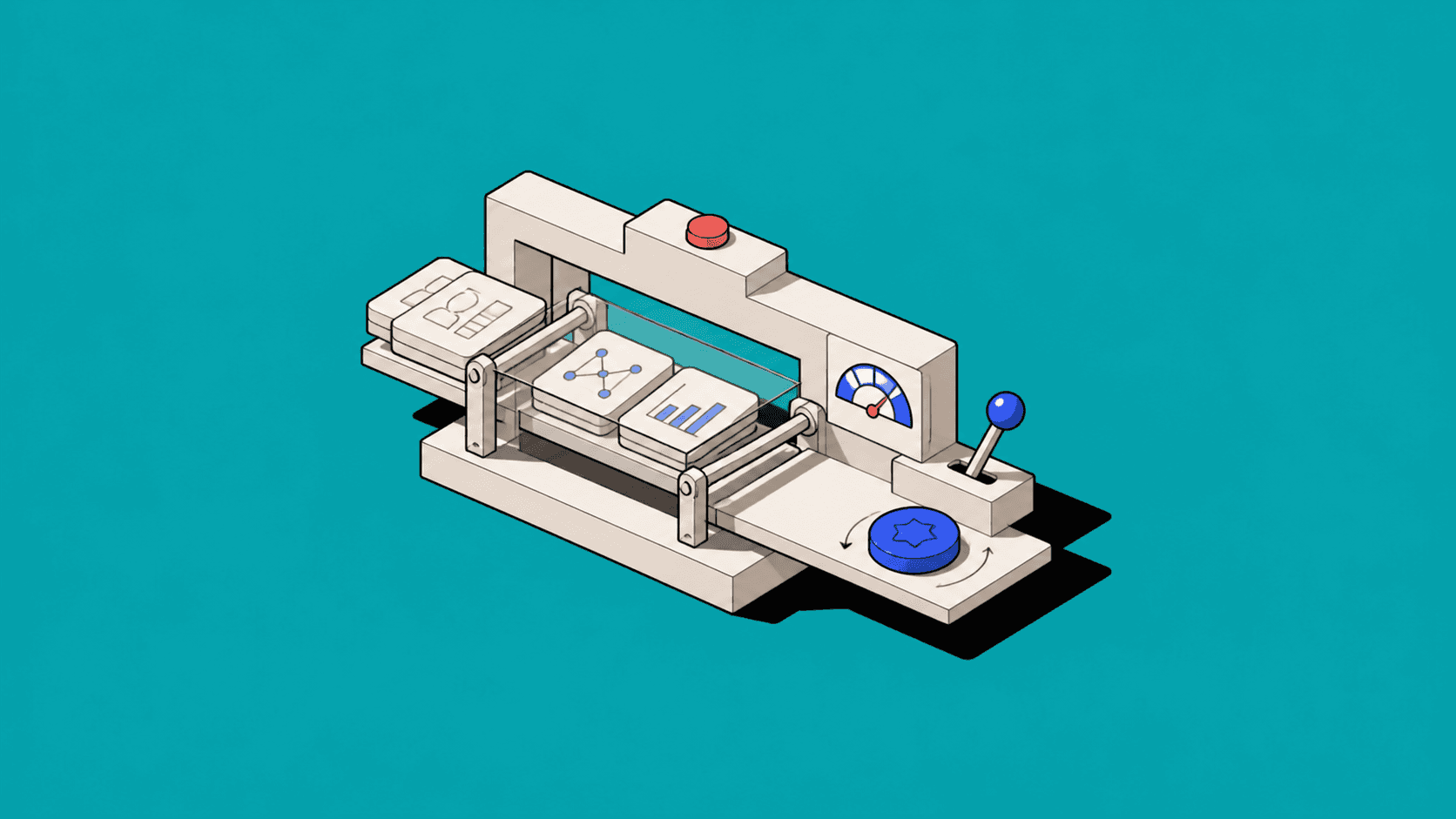
I like a simple distinction between three states: suggested, confirmed and blocked. It gives people a clear mental model. A suggestion is useful but needs review. A confirmed value is ready to use. A blocked item needs human attention before the workflow can move on.
Keep people in control of consequential actions
Automation should remove repetitive effort, not quietly take responsibility for decisions that carry commercial, legal or operational consequences. In a product workflow, that usually means people should be able to review, edit, override and understand an important action before it is final.
It also means preserving an audit trail. Who changed the value? What did the system originally suggest? Why was an exception approved? These are not back-office details. They are part of the trust contract between a product and the people who use it.
Test the failure, not just the wow moment
AI experiences need ordinary usability testing, plus testing of uncertainty and recovery. Give people incomplete information, ambiguous inputs and a suggestion that is deliberately wrong. Watch what they do. Can they tell there is a problem? Can they correct it? Do they know whether the correction will stick?
The most convincing AI features are rarely the loudest. They are the ones that help a person make a better decision while making it clear where their own judgement still matters.

